
Have you ever considered investing in cryptocurrency but felt overwhelmed by the complexity of it all? You’re not alone! With its rapid rise in popularity and the multitude of options available, many find themselves asking how to enter the crypto space effectively. This guide aims to provide you with top tips for navigating the exciting yet volatile world of cryptocurrency investment.

Understanding Cryptocurrency Basics
Before you jump into investing, it’s crucial to grasp what cryptocurrency actually is. Cryptocurrency is a digital or virtual form of money that uses cryptography for security. The most famous example is Bitcoin, but thousands of other cryptocurrencies exist.
You should know that each cryptocurrency operates on a technology called blockchain, which is a decentralized ledger recording all transactions across a network of computers. This ensures transparency and security but also means you need to do your homework to choose the right investments.
Different Types of Cryptocurrencies
It’s essential to recognize that cryptocurrencies fall into several categories. Let’s take a closer look:
| Type of Cryptocurrency | Description |
|---|---|
| Bitcoin | The first and most well-known cryptocurrency, used primarily as digital money. |
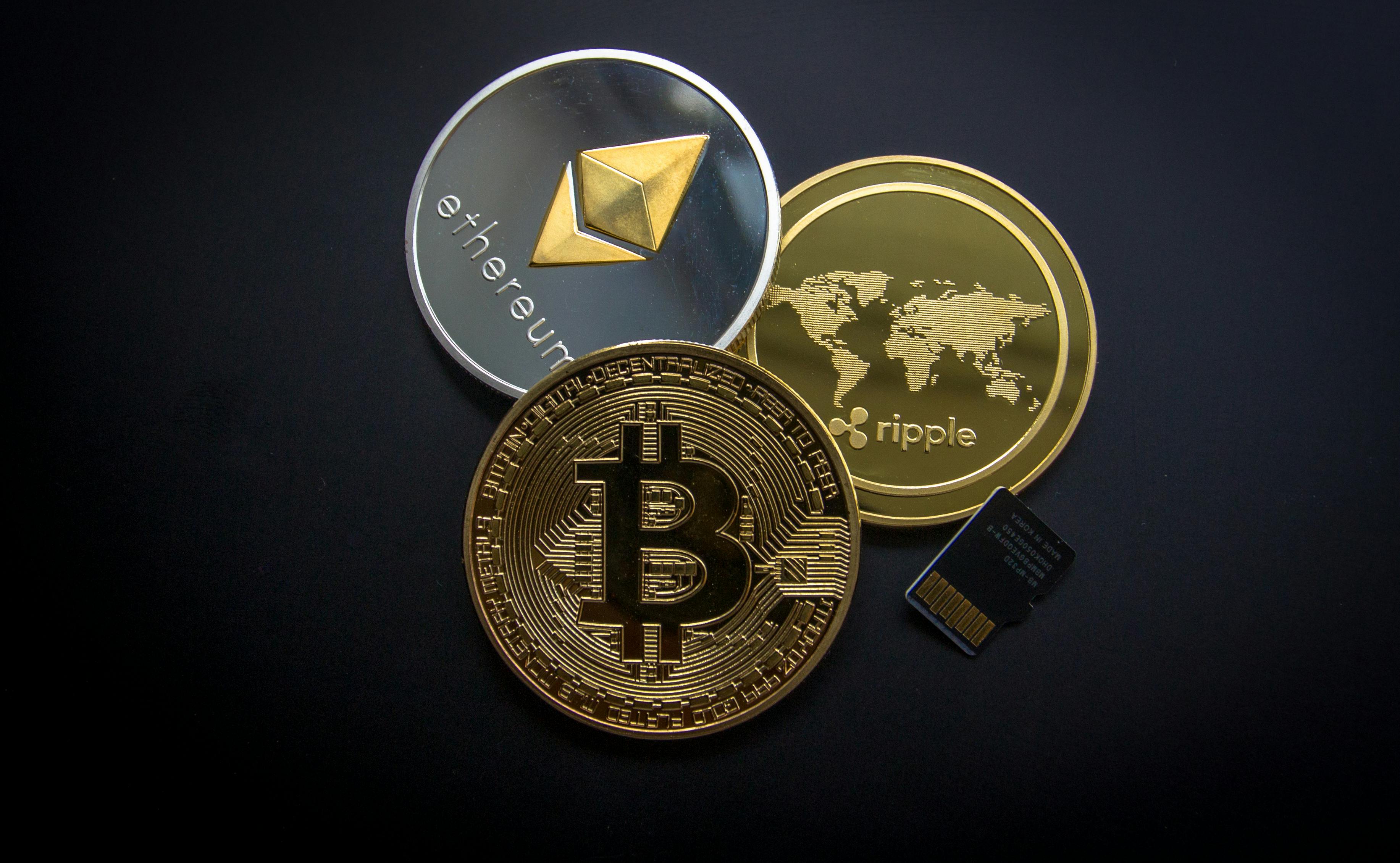
| Altcoins | Any cryptocurrency other than Bitcoin, which includes Ethereum, Ripple, and Litecoin, among others. |
| Stablecoins | Cryptocurrencies designed to maintain a stable value, usually pegged to a fiat currency. |
| Tokens | These represent assets or utilities, often used in specific projects or platforms. |
Understanding these categories will help you make informed choices about where to allocate your resources.
Research and Due Diligence
Investing in cryptocurrency isn’t just about buying a coin; it’s about understanding the market dynamics. Conduct thorough research before you invest your money.
Analyzing the Projects Behind Cryptocurrencies
Check the project’s website, whitepaper, and community forums. Look for the purpose behind the cryptocurrency. Ask yourself:
- What problem does it aim to solve?
- Who are the developers and their experience?
- Is there a robust community supporting it?
Doing this kind of due diligence can save you from investing in projects that might not hold long-term value.
Follow Market Trends
The cryptocurrency market is highly volatile and can be influenced by news events, regulatory updates, and technological advancements. Keeping up to date with these trends will enable you to make informed decisions.
You can use platforms like CoinMarketCap and CoinGecko to track prices and market movements.


Choosing a Wallet
Once you decide which cryptocurrencies you want to invest in, you’ll need a secure way to store them. This introduces you to the world of crypto wallets.
Types of Wallets
There are primarily two types of wallets: hot wallets and cold wallets.
| Wallet Type | Description | Pros | Cons |
|---|---|---|---|
| Hot Wallets | Online wallets accessible via the internet. | Easier access and more user-friendly. | More susceptible to hacks. |
| Cold Wallets | Offline wallets, including hardware wallets and paper wallets. | Offers enhanced security. | Less convenient for quick transactions. |
Choosing the right wallet depends on how often you plan to buy, sell, or trade cryptocurrencies.
Start Small
When you’re about to embark on your investment journey, starting small is a wise strategy.
Dollar-Cost Averaging
This investment strategy involves consistently investing a fixed amount of money over time, regardless of the asset’s price. This method helps to reduce the risk of volatility since you are not trying to time the market.
For example, if you invest $100 each month in a specific cryptocurrency, you will buy more coins when prices are low and fewer when prices are high. Over time, this averages out your purchase price and can lead to better returns.

Diversify Your Portfolio
Much like traditional investing, diversification in cryptocurrencies can mitigate risk. By spreading your investment across different coins, you can protect yourself from the potential losses that come with investing in a single asset.
How to Diversify
- Invest in Major Cryptocurrencies: Start with well-established cryptocurrencies like Bitcoin and Ethereum.
- Consider Emerging Coins: Allocate a portion of your portfolio to newer projects that show potential based on your research.
- Include Stablecoins: These can help balance your portfolio during market fluctuations.
Stay Informed About Regulations
The regulatory landscape surrounding cryptocurrency is continuously evolving. Keeping abreast of developments can help you understand how they may impact the market and your investments.
Know Your Local Laws
Different countries have different regulations regarding cryptocurrency. Familiarize yourself with the laws in your region to ensure compliance and avoid potential penalties. This can also include tax implications for your investments, which is crucial to consider in your overall investment strategy.
Use Reputable Exchanges and Services
Choosing where to buy, sell, or trade your cryptocurrencies is key. Security, fees, and user experience should be considered when selecting an exchange.
Recommended Exchanges
| Exchange | Description | Pros | Cons |
|---|---|---|---|
| Binance | One of the largest and most secure exchanges globally. | Wide range of coins, low fees. | Complex interface for beginners. |
| Coinbase | A user-friendly platform designed for newcomers. | Simple to use, reputable. | Higher fees than some competitors. |
Selecting a reliable platform will help ensure your transactions are safe and efficient.
Monitor Your Investments
Once you’ve made your investments, it’s essential to keep a close eye on their performance.
Tracking Tools
Utilize investment tracking apps or platforms, which can create a consolidated view of your portfolio. Apps like Blockfolio and Delta enable you to monitor price changes and stay updated on market news, giving you the tools to make better-informed decisions.
Prepare for Volatility
Cryptocurrencies are known for their price swings. Learning to manage your emotions and expectations can go a long way in your investment journey.
Establish Your Risk Tolerance
It’s essential to understand how much risk you can comfortably take on. Some coins may experience rapid gains, while others may dip dramatically. Establishing your risk tolerance will help guide your investments and take the emotional aspect out of trading.
Have a Long-Term Strategy
Cryptocurrency investing is not typically a “get rich quick” scheme. Many successful investors adopt a long-term mindset, allowing their investments to appreciate over time.
The HODL Strategy
The term “HODL,” which originated from a misspelled online post, means to hold onto your investments rather than selling during market downturns.
When adopting this strategy, remember that patience can often lead to rewarding outcomes in the volatile world of cryptocurrency.
Seek Community Knowledge
Engaging with communities can provide valuable insights and tips. Platforms like Reddit, Twitter, and specialized forums are often rich sources of information.
Participating in Crypto Communities
- Join discussions on crypto-focused forums and subreddits.
- Attend local meetups or virtual conferences.
- Follow industry leaders and analysts on social media for updates and analyses.
Connecting with others can enhance your understanding and keep you informed of the latest trends.
Beware of Scams
The crypto space, unfortunately, isn’t immune to scams. Being aware of common fraud tactics can help you avoid potential pitfalls.
Common Scam Types
| Scam Type | Description |
|---|---|
| Phishing Scams | Fraudulent websites or emails pretending to be legit exchanges. |
| Pump and Dump | Manipulators hype up a coin to inflate its price before selling it off. |
| Ponzi Schemes | Promising extraordinary returns with little risk; these often collapse. |
Always verify sources and be cautious of deals that seem too good to be true.
Tax Implications
Whether you’re holding on to cryptocurrencies or actively trading them, taxation is an important consideration.
Reporting Earnings
Most countries require you to report gains from cryptocurrency transactions. Keeping accurate records of your transactions can simplify this process come tax season.
Consulting a tax professional who understands cryptocurrency is advisable to ensure compliance.
Emotion Management in Trading
When investing in cryptocurrencies, emotions can run high, especially during market fluctuations. Learning how to manage these emotions will prove critical in your investment journey.
Avoid FOMO and FUD
- FOMO (Fear of Missing Out) can lead you to make impulsive decisions, such as buying at a peak price.
- FUD (Fear, Uncertainty, Doubt) can cause you to sell prematurely based on unfounded fears.
Maintaining a rational mindset and sticking to your investment strategy can help you better navigate these emotional pitfalls.
Conclusion
Investing in cryptocurrency can be both exciting and daunting. By following these top tips, you can navigate the complexities of this digital landscape more effectively. Remember to conduct thorough research, start small, and prioritize security, and you’ll be on the right track.
As you embark on this journey, staying informed and connected to the community will enhance your experiences. Happy investing!