Have you ever wondered how new investors get started in the world of cryptocurrency? It can feel overwhelming with so much information out there. Yet, with the right guidance and a bit of preparation, you can navigate this exciting digital landscape with confidence.


Understanding Cryptocurrency Basics
Before you jump into investing, it’s crucial to understand what cryptocurrency is. Simply put, cryptocurrencies are digital or virtual currencies that use cryptography for security. This technology makes it nearly impossible to counterfeit or double-spend. Many cryptocurrencies are decentralized and based on blockchain technology—a distributed ledger enforced by a network of computers (nodes).
Choose the Right Exchange
Research Different Platforms
Not all cryptocurrency exchanges are created equal. It’s essential to research and find an exchange that fits your needs. Popular options include Coinbase, Binance, and Kraken. Look for features like transaction fees, security measures, available cryptocurrencies, and user experience.
Security Features
When selecting an exchange, prioritize security. Nice touches like two-factor authentication (2FA), cold storage, and insurance for stolen funds can provide peace of mind. Before signing up, read reviews and check if there have been past security breaches.
User Experience
As a new investor, you’ll want a platform that is intuitive and easy to navigate. An exchange with a complicated interface can lead to costly mistakes. Look for user-friendly designs that present information clearly.

Create a Secure Wallet
Different Types of Wallets
Storage of your cryptocurrency is just as critical as purchasing it. Wallets come in several forms—hot wallets (connected to the internet) and cold wallets (offline storage). Hot wallets are convenient for trading but are more vulnerable to hacking. Cold wallets, such as hardware wallets, are more secure, making them ideal for long-term storage.
Importance of Backups
Always back up your wallet. If you lose access to it, your funds may be unrecoverable. Consider writing down your recovery phrase and storing it in a safe location. Regularly update your security settings as well.
Understand Market Volatility
Price Fluctuations
The cryptocurrency market is known for its volatility. Prices can soar or plummet in a matter of hours or even minutes. Understanding this volatility is crucial—don’t let emotions drive your trading decisions. Set realistic expectations and be prepared for fluctuations.
Long-Term Perspective
Adopting a long-term investment perspective can help you weather market downswings. Many successful investors recommend holding onto your assets through market dips rather than panicking and selling.
Research Before Investing
Studying Projects
Take time to research individual cryptocurrencies before investing. Read whitepapers or project documentation to understand the technology behind the currency, the team involved, and the problem it aims to solve. Not all cryptocurrencies have solid fundamentals.
Community Feedback
You can also gauge community sentiment by participating in online forums or social media platforms. Websites like Reddit and Twitter often have discussions and updates about different projects, helping you make informed decisions.
Start Small
Avoiding Overcommitment
As a new investor, it’s wise to start with a small amount of money to get a feel for the market. Investing too much too soon can lead to significant losses that can be hard to recover from, both financially and emotionally.
Incremental Investment Strategy
Consider implementing a dollar-cost averaging strategy, which involves investing a fixed amount at regular intervals. This approach can reduce the impact of market volatility by buying more coins when prices are lower and fewer when prices are higher.
Keep Track of Your Investments
Use Tracking Tools
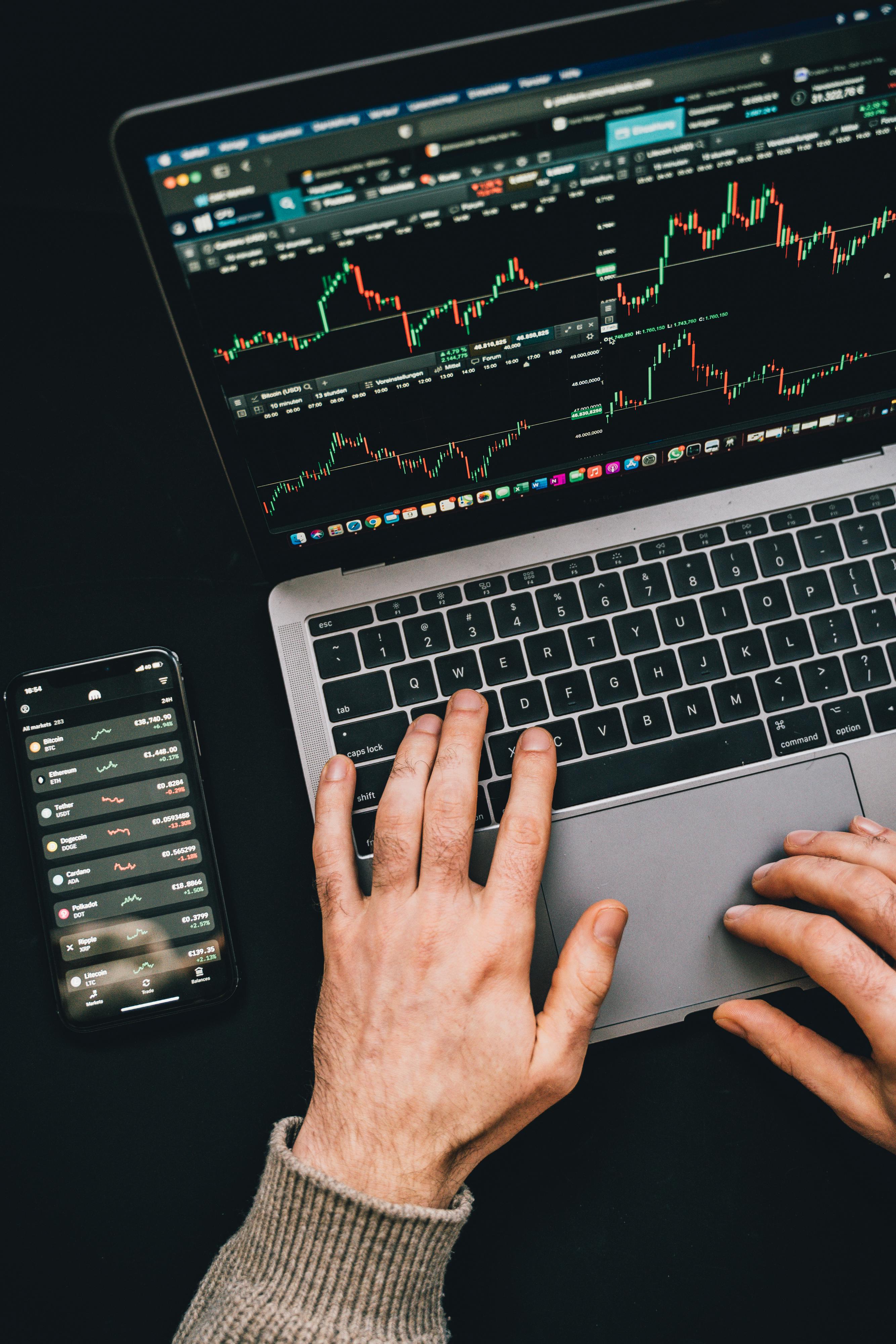
Monitoring your investments is essential for making informed decisions. Several apps and websites can help you track your portfolio’s performance over time. Look for features that allow you to set alerts for price changes and analyze your investment history.
Regular Reviews
Make it a habit to review your portfolio regularly. Markets change, and what seems like a sound investment today may not be as robust tomorrow. Regular assessments allow you to adjust your strategy accordingly.
Stay Informed
Follow Relevant News
Staying updated with the latest news and trends in the cryptocurrency space can give you a significant advantage. Subscribe to newsletters, follow credible websites, and listen to podcasts that focus on cryptocurrency.
Learn From Experts
Consider following recognized figures in the cryptocurrency community. Many experienced investors share insights and tips on trading, investing strategies, and market analysis, which can help you become more knowledgeable.
Understand the Risks
Market Risks
Investing in cryptocurrencies is inherently risky. Price swings, regulatory changes, and market sentiment can impact your investments. Always be aware that you could lose your entire investment, so only invest what you can afford to lose.
Scams and Fraud
With the rise in cryptocurrency popularity also comes an increase in scams. Be cautious of offers that seem too good to be true, and avoid sharing your private keys or sensitive information. Keeping informed about common scams can help protect your investments.
Consult Professionals
Financial Advisors
If investing in cryptocurrency feels overwhelming, consider consulting a financial advisor who specializes in digital assets. They can provide tailored advice based on your financial situation and help you navigate the complexities of the market.
Legal Guidance
Cryptocurrency regulations differ by country and can be confusing. Seeking legal advice can ensure that you understand the compliance requirements related to your investments and avoid any legal pitfalls.
In summary, investing in cryptocurrency can be exciting yet risky. By understanding the fundamentals, researching thoroughly, starting small, staying informed, and being aware of the risks involved, you can make sound decisions as you enter this dynamic market. Remember, being a successful investor doesn’t come from luck; it comes from knowledge and a careful buying strategy. Happy investing!