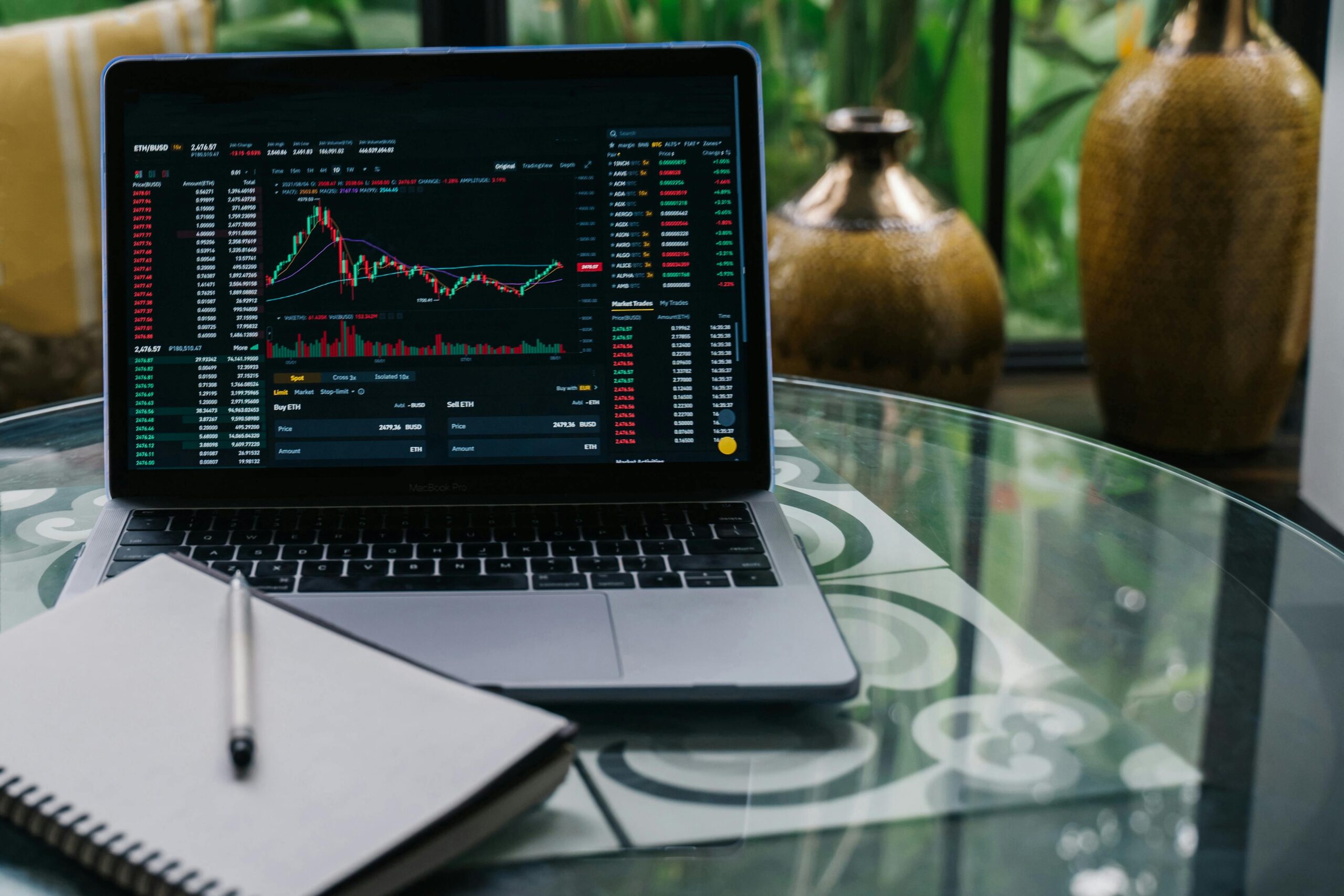
Have you ever wondered how some traders seem to have an edge in the fast-paced world of cryptocurrency? A lot of them leverage technology to their advantage, and one popular way to do this is by using cryptocurrency trading bots. Setting one up might seem daunting, but with the right guidance, you can have your own bot running in no time.

What is a Cryptocurrency Trading Bot?
A cryptocurrency trading bot is a software program that automatically executes trading orders on your behalf. These bots utilize algorithms to analyze market conditions and make trading decisions based on predetermined strategies. The beauty of these bots is they can operate 24/7, taking advantage of market opportunities even when you’re asleep or busy with other activities.
Trading bots can work on various platforms and can be customized to fit your trading style. Understanding how these bots function may give you a significant advantage in your trading endeavors.
Advantages of Using a Trading Bot
Automating your trading process through a bot comes with several advantages:
-
Efficiency: Bots can analyze data at a rate far faster than any human. This ability means they can spot opportunities and act on them instantly.
-
Emotion-Free Trading: One of the biggest pitfalls of trading is emotional decision-making. Bots follow their programming without fear or greed influencing their choices.
-
24/7 Operation: Cryptocurrency markets never sleep. Bots allow you to engage in markets continually, maximizing potential profits without the need for constant monitoring.
-
Backtesting Capabilities: Many trading bots allow you to backtest your strategies using historical data. This can help you assess the viability of your trading ideas before putting real money on the line.
Choosing the Right Trading Bot
Before you get started, it’s imperative to select the right bot suited to your needs. There are many available options, both free and paid, with varying features. Consider the following factors when making your decision:
-
Cost: Some bots require payment upfront or charge a commission on trades. Evaluate the costs versus the features they provide.
-
User-Friendliness: If you’re new to trading or technology, a user-friendly interface can make a substantial difference in your experience.
-
Supported Exchanges: Make sure the bot is compatible with your chosen cryptocurrency exchange, as not all bots connect with every platform.
-
Community and Support: A strong community and good customer support can be invaluable as you learn to navigate the bot’s features and troubleshoot any issues.
Steps to Set Up Your Cryptocurrency Trading Bot
Getting started with a trading bot often involves several key steps, from choosing the right platform to configuring your bot’s specific settings.
Step 1: Choosing a Cryptocurrency Exchange
Before you can set up a trading bot, you’ll first need to pick a cryptocurrency exchange. Popular options include:
| Exchange | Features |
|---|---|
| Binance | Wide range of cryptocurrencies, low fees |
| Coinbase | User-friendly interface, high security |
| Kraken | Advanced trading options, good for pro traders |
| Bitfinex | High liquidity, margin trading features |
When selecting an exchange, consider factors like security, liquidity, and the variety of cryptocurrencies available for trading.
Step 2: Selecting a Trading Bot
Once you have your chosen exchange, it’s time to select your bot. Some well-regarded options include:
-
3Commas: Offers smart trading features, including trailing stop-loss and take-profit options.
-
Cryptohopper: Known for its marketplace of trading strategies and templates.
-
HaasOnline: Allows for extensive customization and a wide range of trading tools.
Always research each option thoroughly to ensure you select a bot that aligns with your trading style and goals.
Step 3: Creating an Account on Your Chosen Exchange
After selecting your bot and exchange, it’s time to create an account. Ensure that you follow best practices for security:
- Use a strong password and enable two-factor authentication (2FA).
- Verify your identity as required by the exchange.
Whenever you create an account, make sure to take note of your API keys, as these will be necessary for your bot to connect to your exchange.
Step 4: Connecting Your Trading Bot to the Exchange
Most trading bots will require you to input the API key generated from your exchange. This key allows the bot to execute trades on your behalf while maintaining security within your account.
Follow the steps below:
- Log into your trading bot account.
- Navigate to the API section.
- Enter your API key and secret in the provided fields.
- Make sure to configure any necessary permissions, primarily allowing trading permissions but leaving withdrawal permissions disabled for safety reasons.
Step 5: Configuring Your Trading Bot
Now comes the fun part—configuring your bot’s settings! This step is essential because it allows you to align your trading strategy with the bot’s operating parameters.
Setting Trading Strategies
You’ll want to decide on a trading strategy that works for you. Here are three common strategies:
-
Trend Following: The bot buys when prices are rising and sells when they start falling, looking to capitalize on upward market trends.
-
Arbitrage: This strategy involves exploiting price differences across various exchanges, buying at a lower price and selling at a higher one elsewhere.
-
Market Making: The bot places buy and sell orders simultaneously. The goal is to earn from the spread between the buying and selling price.
Setting Risk Parameters
Risk management is critical in trading. Your bot should have predefined risk settings, such as:
-
Stop-Loss Orders: Set a price level where the bot should automatically sell an asset to prevent further losses.
-
Take-Profit Orders: Designate a price at which the bot will sell to lock in profits.
-
Position Sizing: Decide on the percentage of your total investment to allocate for each trade.
Step 6: Backtesting Your Bot
Before enabling your bot in real-time markets, most platforms will allow you to backtest your strategy using historical data. This process can help you identify any kinks in your strategy before committing actual funds.
To backtest:
- Input your trading strategy parameters.
- Choose a historical timeframe to analyze (e.g., last three months).
- Review the results to see how your strategy would have performed.
Step 7: Going Live with Your Bot
Once you’ve tested your strategy and are confident in your settings, it’s time to activate the bot in live trading. Monitor its performance closely at first, paying attention to how it behaves in different market conditions.
Start small to mitigate risks and gradually increase your investment as you gain confidence in your bot’s performance.

Monitoring and Adjusting Your Trading Bot
Setting up a trading bot isn’t a one-time task; successful traders continuously monitor and adjust their bots as market conditions change.
Regular Performance Review
Periodically review how well your bot is performing. Evaluate factors such as:
- Win Rate: What percentage of trades are profitable?
- Return on Investment (ROI): How much have you gained or lost compared to your total investment?
- Drawdowns: What is the maximum loss incurred before a successful recovery?
Adjustments Based on Market Conditions
You may find that certain strategies work better in bullish markets while others shine during bearish conditions. Be flexible and adjust your rules as necessary. Remember to backtest any adjustments before implementing them live.
Keeping Up with Market Trends
The cryptocurrency market is known for its volatility and rapid changes. Staying informed through news articles, forums, and social media can equip you to make informed decisions about your trading strategies.
Common Challenges and How to Overcome Them
Even with a trading bot, you might face various challenges. Here are some common issues and how to address them.
Market Volatility
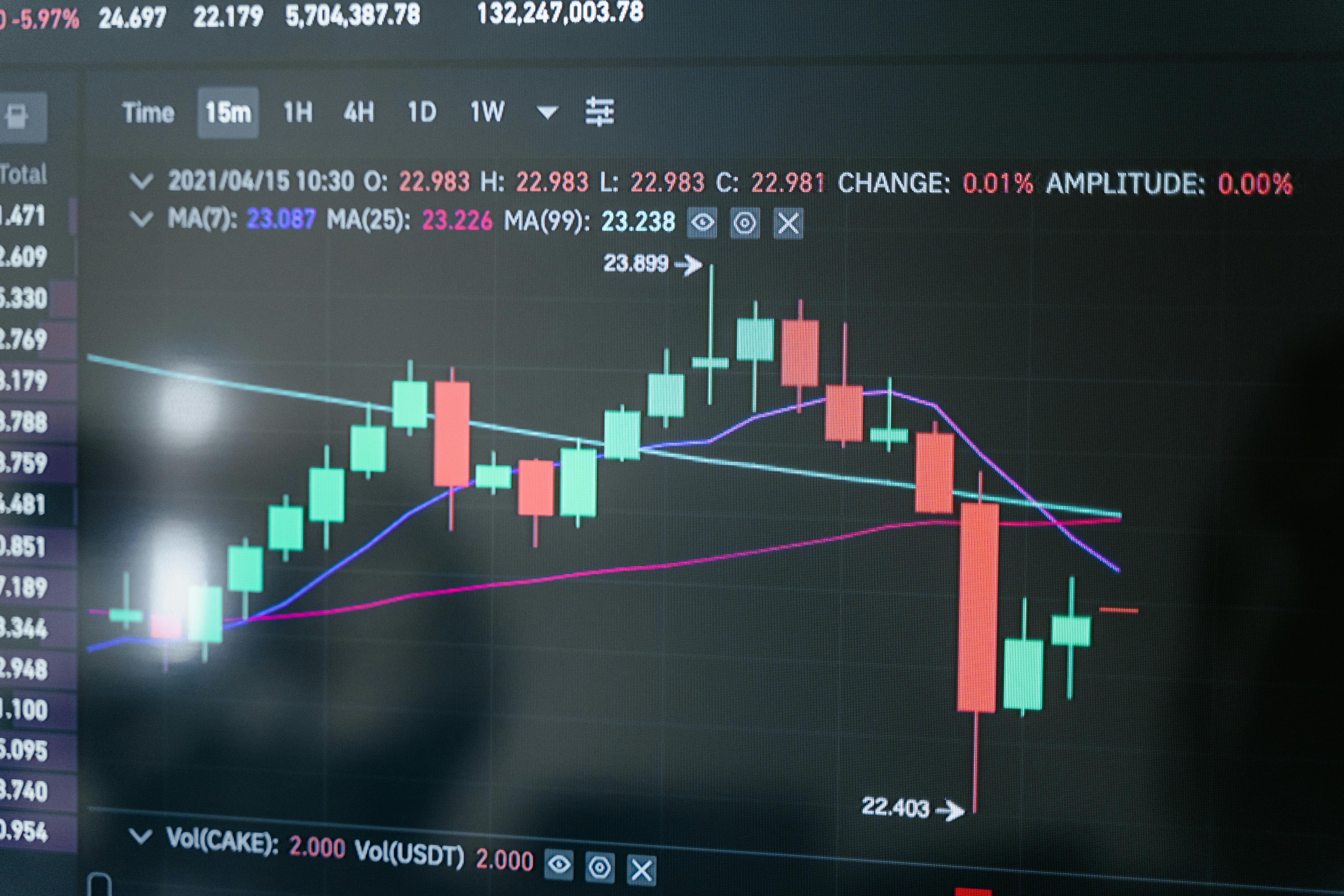
Cryptocurrency prices can change dramatically in a short period. Bots are designed to react quickly, but they can also incur significant losses if they are not properly configured.
Solution: Adjust your stop-loss and take-profit orders for greater safety. Additionally, consider using a bot that can incorporate market indicators to adapt to price swings.
Bot Malfunctions
Like all software, trading bots can experience technical issues. These problems could impact your trading if not monitored carefully.
Solution: Regularly check the bot’s performance and status, and ensure your internet connection is stable. A good bot should have options to send notifications in case of issues.
Over-Trading
Sometimes, trading bots can misinterpret signals leading to overtrading, which can erode profits.
Solution: Set limits on the number of trades per day. Ensure that your bot adheres to these restrictions when necessary to prevent it from implementing too many trades in a short time.
Staying Educated and Informed
Learning is an ongoing process, especially in a field as dynamic as cryptocurrency trading. Stay current with trends, technological advancements, and market news. Consider subscribing to reputable financial news platforms and following influential traders on social media for additional insights.
Engaging with Communities
Online communities and forums can be invaluable resources for both learning and support. Websites such as Reddit and specialized forums can offer advice, experiences, and strategies.
Recommended Communities:
-
Reddit: Subreddits like r/CryptoCurrency and r/BitcoinMarkets can provide a wealth of information and community support.
-
Discord Groups: Many trading communities are active on Discord, offering a space for live communication and real-time alerts.
-
Telegram Channels: Here you can find groups dedicated to discussing trading strategies and market analysis.
Conclusion
Setting up a cryptocurrency trading bot can feel like a complex task, but breaking it down into manageable steps can simplify the process. With the right tools and knowledge, you can harness the power of technology to enhance your trading experience. Remember that the financial markets require patience, strategy, and continuous learning.
As you embark on this journey, stay committed to understanding your bot, the strategies you implement, and the market conditions that may affect your trades. Happy trading!