Have you ever wondered how to determine the success of your cryptocurrency investments? Understanding your returns on investment (ROI) is crucial for measuring how well your investments are performing and can guide your future trading or investing strategies. Let’s break down how you can easily calculate your cryptocurrency ROI with some straightforward methods and clear examples.

Understanding Cryptocurrency Returns on Investment
When you invest in cryptocurrency, you want to know how much profit or loss you are making. This is where the concept of returns on investment comes into play. ROI is a percentage that represents the gain or loss made relative to your investment. It helps you gauge whether your investment is yielding the expected results or if it’s time to make a change.
Why Calculate ROI?
Calculating your ROI allows you to evaluate the effectiveness of your investment strategy. Whether you’re trading on a daily basis or holding your assets long-term, keeping track of returns will help you understand the market’s behavior and optimize your portfolio.
The Basic Formula for ROI
The formula for calculating ROI is quite simple:
[
ROI = \frac{(Current Value of Investment – Cost of Investment)}{Cost of Investment} \times 100
]
Let’s break it down a little further:
- Current Value of Investment: This is how much your cryptocurrency is worth now.
- Cost of Investment: This is how much you paid for it originally.
Example Calculation
To make this clearer, let’s say you bought 2 Ethereum (ETH) at $1,000 each, so your total investment is $2,000. Later, you find that the current price of Ethereum has risen to $1,500.
- Current Value of Investment: 2 ETH × $1,500 = $3,000
- Cost of Investment: $2,000
Plugging it into the formula gives:
[
ROI = \frac{(3000 – 2000)}{2000} \times 100 = \frac{1000}{2000} \times 100 = 50%
]
Your ROI is 50%, indicating that your investment has increased significantly.


Different Types of Investments in Cryptocurrency
Understanding the type of investment you’re dealing with can also impact how you calculate your ROI. There are typically two categories that you’ll come across:
Long-term Investments
These are investments where you hold onto your cryptocurrency for an extended period. The goal is to ride out market volatility in hopes of significant gains over time.
- Advice: Track your ROI periodically—this will keep you motivated and help in decision-making.
Short-term Investments
Also known as day trading or swing trading, short-term investments involve buying and selling cryptocurrencies within days or even hours. This strategy attempts to take advantage of market fluctuations.
- Advice: Regularly update your ROI calculations to stay on top of the rapidly changing market.
Factors Affecting ROI in Cryptocurrency
Several factors can influence the ROI of your cryptocurrency investments. Understanding these can help you make better decisions in the future.
Market Volatility
Cryptocurrencies are known for their high volatility. Prices can fluctuate dramatically in a short time due to market trends, news, and social sentiments.
- Be aware that what might seem like a good ROI today can change quickly.
Transaction Fees
Whenever you buy, sell, or transfer cryptocurrency, you incur fees. These fees can affect your overall profit, so make sure to factor them into your calculations.
- Consider using exchanges with lower fees to maximize your ROI.
Security Considerations
Since cryptocurrencies are susceptible to hacks and fraud, ensuring the safety of your investments can impact overall ROI. If your assets are compromised, the financial loss will reduce your returns.
- Keep your cryptocurrency in secure wallets and take advantage of security features.
Tax Implications
In many jurisdictions, capital gains tax applies to profits made from selling cryptocurrencies. You need to consider this when calculating your net ROI.
- Consult a tax professional to understand how taxes will affect your returns.
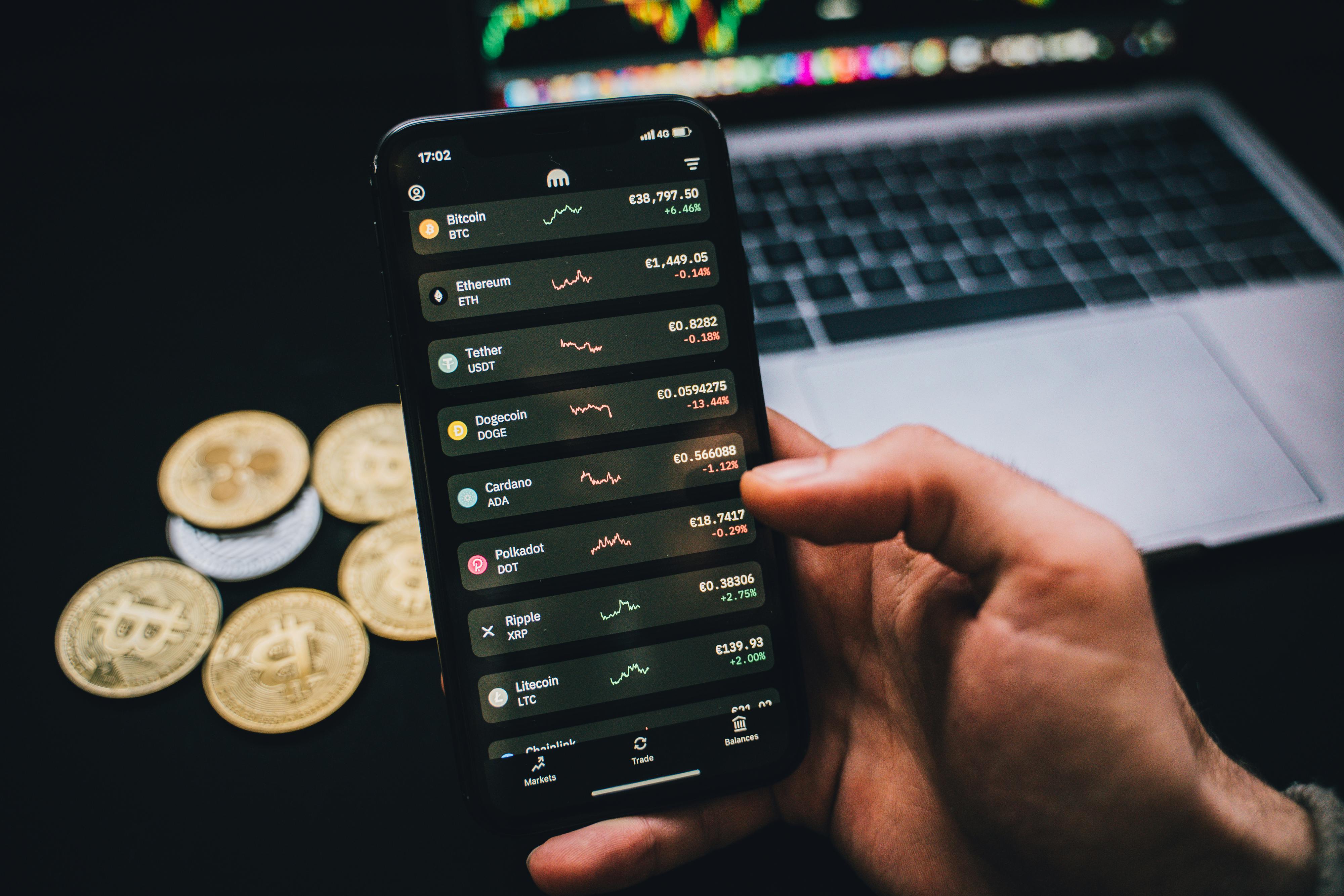
How to Track Your ROI Effectively
To keep your investment journey transparent and manageable, it is helpful to use tools that allow you to track your ROI seamlessly.
Spreadsheets
Using a simple spreadsheet application like Google Sheets or Excel can help you manage your investments and calculate ROI easily.
Sample Structure for Your Spreadsheet
| Date | Cryptocurrency | Purchase Price | Quantity | Current Price | Current Value | Total Investment | ROI (%) |
|---|---|---|---|---|---|---|---|
| 2023-01-01 | Bitcoin | $40,000 | 0.1 | $45,000 | $4,500 | $4,000 | 12.5% |
| 2023-02-01 | Ethereum | $3,000 | 2 | $3,500 | $7,000 | $6,000 | 16.67% |
| 2023-03-01 | Litecoin | $150 | 10 | $200 | $2,000 | $1,500 | 33.33% |
Investment Tracking Apps
There are several dedicated apps available that help track cryptocurrency prices in real time and calculate your ROI automatically. Some popular ones include:
- Blockfolio: This app allows you to input your investments and tracks prices automatically.
- CoinTracking: This is a more advanced tool that provides in-depth analytics and tax reporting features.
Reinvesting Your Earnings
Once you understand how to calculate your ROI, you may want to consider reinvesting your earnings to maximize profits further.
Compounding Returns
By reinvesting your returns, your investment grows even faster due to the effect of compounding.
- Example: If you have a 50% ROI and you reinvest that, your investment can grow significantly over time!
Diversifying Portfolio
Reinvesting doesn’t just mean doubling down on your current investments. Consider diversifying your portfolio to include a mix of established coins and newer altcoins. This can spread risk and potentially boost overall ROI.

Setting Investment Goals
To optimize your cryptocurrency experience, having clear investment goals helps you determine your desired ROI and strategy.
Short-term Goals
If you’re looking for quick profits, your ROI could be targeted at 10-20% for short trades. This aligns with a more aggressive trading strategy.
Long-term Goals
For a long-term investment, you might aim for a ROI of 200% over several years. It’s essential to be patient and not panic during market dips.
Analyzing Your ROI Regularly
Regularly analyzing your ROI can help you adjust your strategies accordingly.
Monthly or Quarterly Reviews
Set specific intervals—monthly or quarterly—to review your portfolio. Are you on track to meet your goals? If not, it might be time to change your approach.
Learning from Mistakes
Always critique your past investments. What worked? What didn’t? Understanding different aspects of your trading results will enhance your future decisions.
Conclusion
Being aware of how to calculate your cryptocurrency returns on investment equips you with the knowledge necessary to make informed decisions. Focusing on both the quantitative and qualitative aspects of your investments will make you a more strategic investor. Whether you’re holding for the long term or trading for quick gains, understanding and calculating your ROI will keep you focused and aligned with your financial goals. Always remember that the cryptocurrency market is dynamic, and staying educated about it will aid in your investment journey.
Lastly, keep engaging with communities, resources, and tools that can further enlighten your experience. Happy investing!