Have you ever wondered how digital currencies like Bitcoin come into existence? The process behind it might be more fascinating than you think. Let’s take a closer look at cryptocurrency mining and understand how it functions.

What is Cryptocurrency Mining?
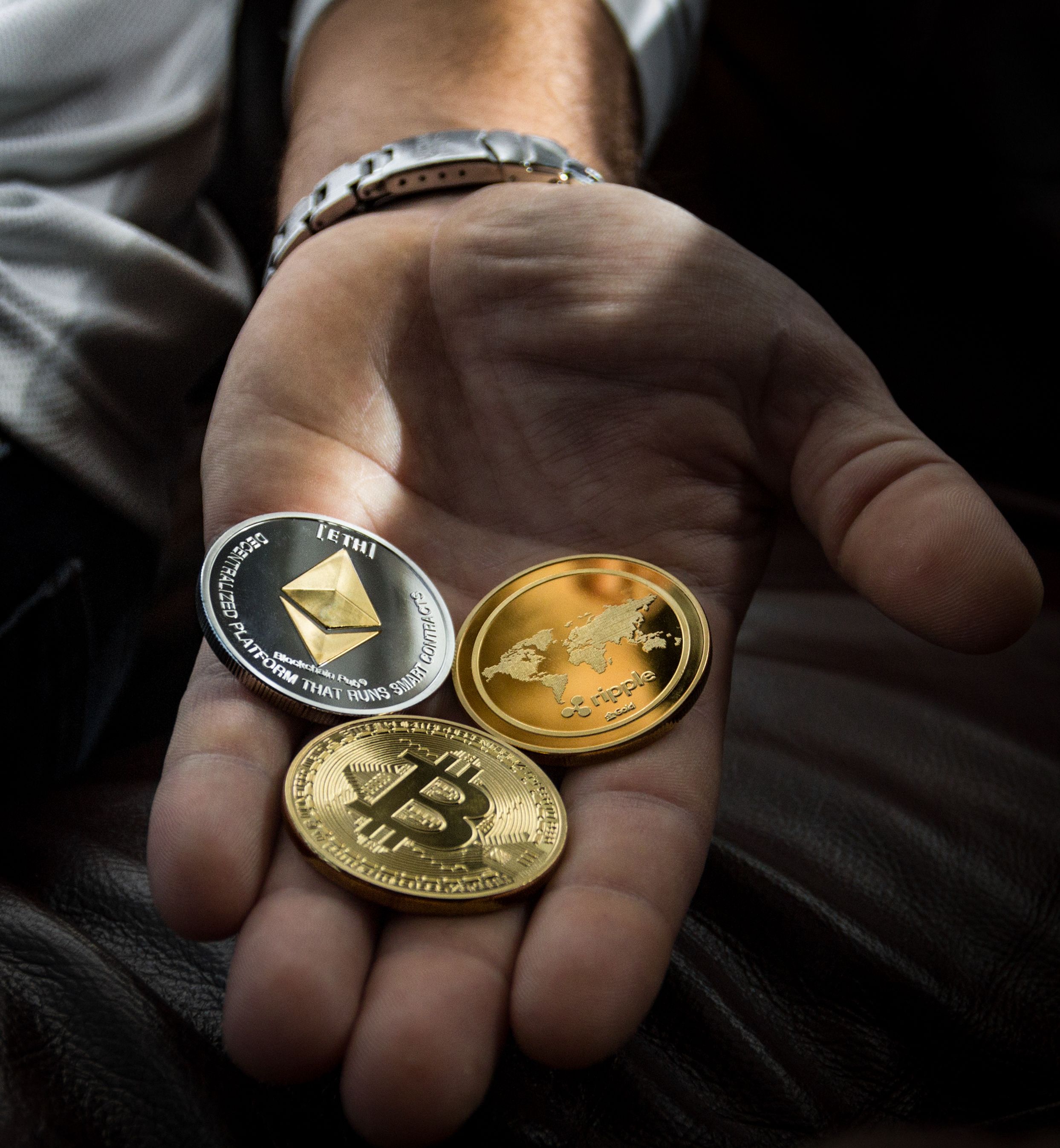
Cryptocurrency mining is the process of validating transactions on a blockchain network and adding them to the public ledger. Miners use powerful computers to solve complex mathematical problems, and in return, they are rewarded with cryptocurrency. Essentially, mining is how new coins are created and transactions are verified, ensuring the network runs smoothly.
The Role of Blockchain
At the heart of cryptocurrency mining lies blockchain technology. A blockchain is a decentralized and distributed ledger that records all transactions across a network of computers. Each block in the chain contains a list of transactions and is connected to the previous block, forming a continuous chain.
How Blockchain Works
- Decentralization: Unlike traditional banking systems, which are centralized, blockchain is decentralized. This means no single entity controls it, enhancing security and transparency.
- Immutability: Once a transaction is added to the blockchain, it cannot be altered or deleted, ensuring a permanent record.
- Consensus Mechanisms: To validate transactions, the network employs various consensus mechanisms, with mining being a critical one.
Why Do Miners Matter?
Miners play a crucial role in the cryptocurrency ecosystem. Their work ensures that transactions are secure, verified, and recorded. Without miners, the network would be vulnerable to fraud and attacks. Here are some reasons why miners are essential:
- Transaction Verification: Miners validate transactions, ensuring that the funds being sent are indeed available.
- Network Security: By solving complex problems, miners provide security to the entire network, making it difficult for malicious actors to manipulate it.
- Creation of New Coins: Miners are rewarded with new coins for their efforts, which incentivizes them to continue supporting the network.

The Mining Process
Cryptocurrency mining involves several steps, from gathering transactions to adding them to the blockchain.
Step 1: Collecting Transactions
The first step in the mining process is collecting transactions from the network. When someone sends cryptocurrency, their transaction is broadcast to miners. Miners gather these transactions into a pool, often referred to as the “mempool.”
Step 2: Creating a Block
After collecting enough transactions, miners create a new block. Each block contains:
- A list of transactions
- A timestamp of when the block was created
- A reference to the previous block (hash)
- A nonce (a random number used in mining)
Step 3: Solving the Puzzle
Miners then compete to solve a cryptographic puzzle. This puzzle involves finding a nonce that, when hashed with the block data, results in a hash that falls below a predefined target. This process is known as Proof of Work.
Step 4: Adding the Block to the Blockchain
Once a miner successfully solves the puzzle, they broadcast their solution to the rest of the network. Other miners verify the solution, and if correct, the new block is added to the blockchain. The miner is then rewarded with cryptocurrency for their efforts.
Types of Cryptocurrency Mining
There are several types of mining methods, each with its unique characteristics and requirements. Understanding these can help you decide which one might be right for you.
1. Proof of Work (PoW)
This is the most common method used by cryptocurrencies like Bitcoin. In PoW, miners must solve complex mathematical problems, requiring significant computational power. While it is secure and decentralized, it consumes a vast amount of energy.
Advantages of PoW:
- High level of security
- Decentralized nature
Disadvantages of PoW:
- High energy consumption
- Requires expensive hardware
2. Proof of Stake (PoS)
In PoS, instead of competing to solve puzzles, miners (often called validators) create new blocks based on the number of coins they hold and are willing to “stake” as collateral. This method is more energy-efficient than PoW.
Advantages of PoS:
- Lower energy consumption
- Potential for higher transaction speeds
Disadvantages of PoS:
- Less security compared to PoW
- Can lead to centralization if a few holders have a significant stake
3. Other Solutions
There are also other less common mining methods, such as:
- Delegated Proof of Stake (DPoS): A variation of PoS where stakeholders vote for a small number of validators to create new blocks.
- Proof of History (PoH): Used by Solana, this method allows for the verification of order and passage of time between events.

Mining Hardware
Your choice of hardware can significantly impact your mining efficiency. A variety of options are available, tailored for different types of mining.
ASIC Miners
Application-Specific Integrated Circuits (ASICs) are designed specifically for mining cryptocurrencies. They’re highly efficient but can be expensive to purchase.
GPUs
Graphics Processing Units (GPUs) are a popular choice for miners because they are versatile and can mine various cryptocurrencies. They tend to be more accessible price-wise compared to ASICs.
CPUs
Central Processing Units (CPUs) are the least effective for mining but can still be used for some cryptocurrencies. However, mining with CPUs is generally not recommended due to its low efficiency.
Mining Pools
Mining pools have emerged as a way to combine resources for higher chances of success. By joining a mining pool, miners can work together to solve blocks and share the rewards based on their contributions.
Pros of Mining Pools
- Increased Probability: Working together significantly increases your chances of earning rewards.
- Steady Income: Pooling provides more consistent payouts, as rewards are distributed among members.
Cons of Mining Pools
- Fees: Most mining pools charge fees for their services, reducing overall profits.
- Less Control: When you join a pool, you may have less control over the mining process and decisions.

Rewards and Incentives
Understanding mining rewards is crucial for participants. When miners successfully add a block to the blockchain, they receive:
Block Rewards
Block rewards are the new coins generated for successfully mining a block. This reward often decreases over time due to a process called halving, which can occur approximately every four years in the case of Bitcoin.
Transaction Fees
In addition to block rewards, miners also earn transaction fees from the transactions included in the blocks they mine. Fees can fluctuate based on network demand.
Environmental Impact of Mining
Cryptocurrency mining has faced criticism for its environmental impact, particularly with PoW systems. The energy consumption can be enormous, leading to concerns about carbon footprints and sustainability.
Efforts for Improvement
- Renewable Energy Sources: Some miners are shifting towards renewable energy to power their operations.
- Efficiency Improvements: New technologies and methods are being developed to make mining more energy-efficient.
The Future of Cryptocurrency Mining
As the cryptocurrency landscape evolves, so does mining. What lies ahead is uncertain, with trends moving towards eco-friendly practices and alternative consensus mechanisms.
Proof of Stake Adoption
Many newer cryptocurrencies are adopting PoS or variations of it, which promise to reduce the environmental burden of mining. This shift could mark a significant change in how digital currencies operate.
Regulatory Oversight
Governments and regulatory bodies are increasingly looking into cryptocurrency mining. Rules may tighten to address environmental concerns, taxation, and security aspects.
Conclusion
Cryptocurrency mining might seem complex initially, but once you unpack it, it reveals exciting layers of technology and opportunity. From the role of miners to the intricate working of blockchains and the various mining methods, the ecosystem is both vibrant and vital to the world of digital currencies. If you’re considering entering the mining world, understanding these components can help you make informed decisions. Remember, the journey into cryptocurrency is ongoing, with innovations and changes continually shaping it. Stay informed, and who knows? You may be part of the next big wave in this dynamic space!