
What if the true identity of Bitcoin’s creator was just a lawsuit away? Recent developments have sparked intrigue and excitement in the cryptocurrency community, with a lawyer taking the initiative to uncover the secrets behind the pseudonymous figure of Satoshi Nakamoto. By filing a lawsuit against the U.S. Department of Homeland Security (DHS), this legal action raises questions not just about the identity of Nakamoto but also about the implications of transparency in government operations related to cryptocurrency.
The Lawsuit Behind the Inquiry
In a bold move, James Murphy, a knowledgeable crypto lawyer, has taken legal action against the DHS. You might wonder why this lawsuit matters and what it could reveal about the creation of Bitcoin. The foundation of Murphy’s case is based on allegations made by DHS’s Special Agent Rana Saoud during a conference in April 2019. She suggested that agents from the department had met with individuals they believed were involved in Bitcoin’s creation. Murphy’s aim is straightforward: to compel the DHS to share documentation regarding that alleged meeting.
The Freedom of Information Act
Understanding the Freedom of Information Act (FOIA) is essential when discussing Murphy’s lawsuit. The FOIA is a law that allows individuals to request access to federal agency records. It exists to promote transparency and accountability in government. In essence, Murphy’s lawsuit is a practical application of this act. He seeks notes, emails, and other documents related to the supposed interview and insists that if it genuinely occurred, there would be records that prove it.
The Allegations Made by Saoud
At the OffshoreAlert Conference North America, Saoud shared insights from the DHS’s interactions with individuals purported to be involved in the creation of Bitcoin. This included discussions about their motives and the broader implications of Bitcoin. It’s fascinating to consider what might be hidden in the conversations that took place during that meeting. If the agents did meet with these key figures, what kind of revelations might emerge about the founding ideas of Bitcoin?
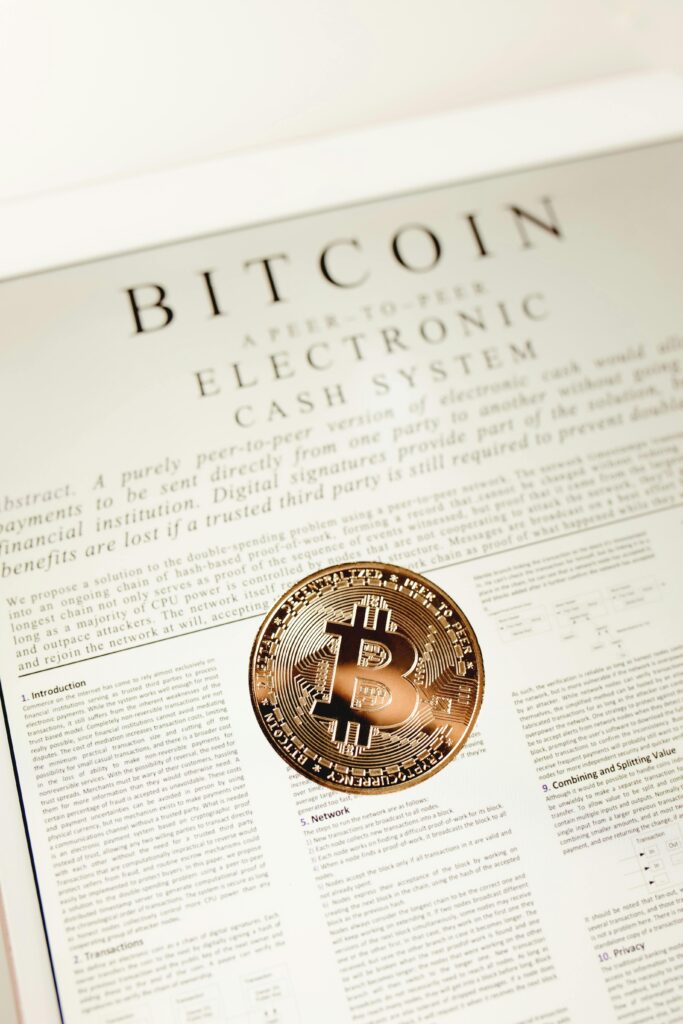
Who Is Satoshi Nakamoto?
At this point, you might be feeling a curious tingle, thinking about who exactly Satoshi Nakamoto is. The identity of Bitcoin’s creator has intrigued individuals for over a decade. Is Nakamoto a single person or a group of people? This mystery may have prompted some of the most passionate debates in the crypto community.
The Search for Identity
The quest to uncover Nakamoto’s identity has been riddled with both misinformation and speculation. Various names have come up in connection to this enigma, including notable figures like Nick Szabo, Hal Finney, and Adam Back. All have denied being the legendary figure, yet the speculation surrounding them continues.
Missteps in Identifying Nakamoto
One notable attempt to disclose Nakamoto’s identity came in the form of a controversial HBO documentary alleging that Peter Todd was the creator. He firmly refuted this claim, and many industry experts questioned the documentary’s credibility. It highlights how challenging it can be to determine the truth in the face of numerous theories and claims.
The Implications of Revealing Nakamoto’s Identity
You may wonder why the identity of Nakamoto is such a hot topic. The crypto community gets split on whether disclosing Nakamoto’s identity would ultimately benefit Bitcoin or pose risks. On one side, some individuals believe that revealing Nakamoto could undermine Bitcoin’s decentralized nature, while others worry about the safety and well-being of Nakamoto if their identity were known.

The Future of Murphy’s Lawsuit
As Murphy pursues this action through the legal system, he has emphasized his intent to take his case as far as necessary to reach a conclusion. As he stated, if Saoud and her colleagues genuinely interacted with those behind Bitcoin, there should be documentation available.
What Happens If the DHS Discloses Information?
If the DHS complies with Murphy’s request, it could reveal groundbreaking insights into Bitcoin’s origin. Such disclosures might enrich your understanding of its creation and perhaps, even how its ethos has manifested over time. Transparency like this could lead to a more informed community, which would ultimately benefit all who engage with Bitcoin.
The Legal Team Behind the Case
Murphy is not alone in his endeavor. He has enlisted the support of Brian Field, a former Assistant U.S. Attorney specializing in FOIA litigation. With experienced legal minds working on this case, you can’t help but feel that something significant could surface from the legal proceedings.

Challenges Ahead
While many are optimistic about the potential outcomes of this lawsuit, challenges abound. The DHS may resist disclosing information, and legal battles could become prolonged. As Murphy knows well, navigating the intricacies of the law requires patience, persistence, and a willingness to confront potential obstacles.
Possible Outcomes
Should the DHS respond unfavorably or fail to produce the requested documentation, you might wonder how Murphy will respond. His determination to “pursue the case to conclusion” suggests he’s prepared for a drawn-out battle. This determination holds the prospect of unraveling the mystery surrounding Nakamoto’s identity, regardless of how long it takes.

The Community’s Response
The ripples of this lawsuit have already begun to affect the Bitcoin community. Various factions are contemplating the implications of awarding government access to private individuals typically shielded by anonymity.
Split Opinions on Transparency
Some Bitcoin advocates believe this case underscores a crucial need for accountability from government agencies involved in cryptocurrency regulations. Meanwhile, others contend that pursuing Nakamoto’s identity could detract from the core principles that Bitcoin stands for—decentralization and privacy.
Engaging with the Debate
Regardless of where you stand on the issue, it is undeniable that the conversation is evolving and that multiple opinions contribute to richer discussions in both the crypto world and beyond.

Conclusion
The ongoing lawsuit by James Murphy against the DHS to unearth the potential identities linked to Bitcoin’s founder is indicative of the broader struggle between transparency and anonymity. The hyper-interest in uncovering Nakamoto’s identity keeps your intrigue levels high and continuously engages the cryptocurrency ecosystem.
As more information surfaces through legal avenues, it’s sure to lead to significant conversations about the paths of integrity, privacy, and community in the cryptocurrency universe. Whether you lean toward supporting Murphy’s efforts or prefer the enduring mystery of Nakamoto’s identity, there’s no denying that this ongoing situation adds an extra layer of complexity to the ongoing narrative of Bitcoin and its enigmatic origins.
A new chapter in the story of Bitcoin may be unfolding, and it could lead to insights that resonate far beyond the realm of cryptocurrency. Each new development adds to the intricate tapestry of ideas, beliefs, and possibilities that make up our understanding of this digital cornerstone. As the investigation proceeds, the anticipation builds, prompting a renewed examination of what knowledge we truly seek about the creator of Bitcoin.