
Have you ever wondered how governments around the world are handling the rise of cryptocurrencies? As digital currencies continue to grow in popularity, regulations are becoming increasingly important for ensuring security, legitimacy, and consumer protection. Whether you’re a seasoned investor or just curious about the crypto space, understanding the landscape of cryptocurrency regulations can help you navigate this ever-evolving market confidently.

Understanding Cryptocurrency
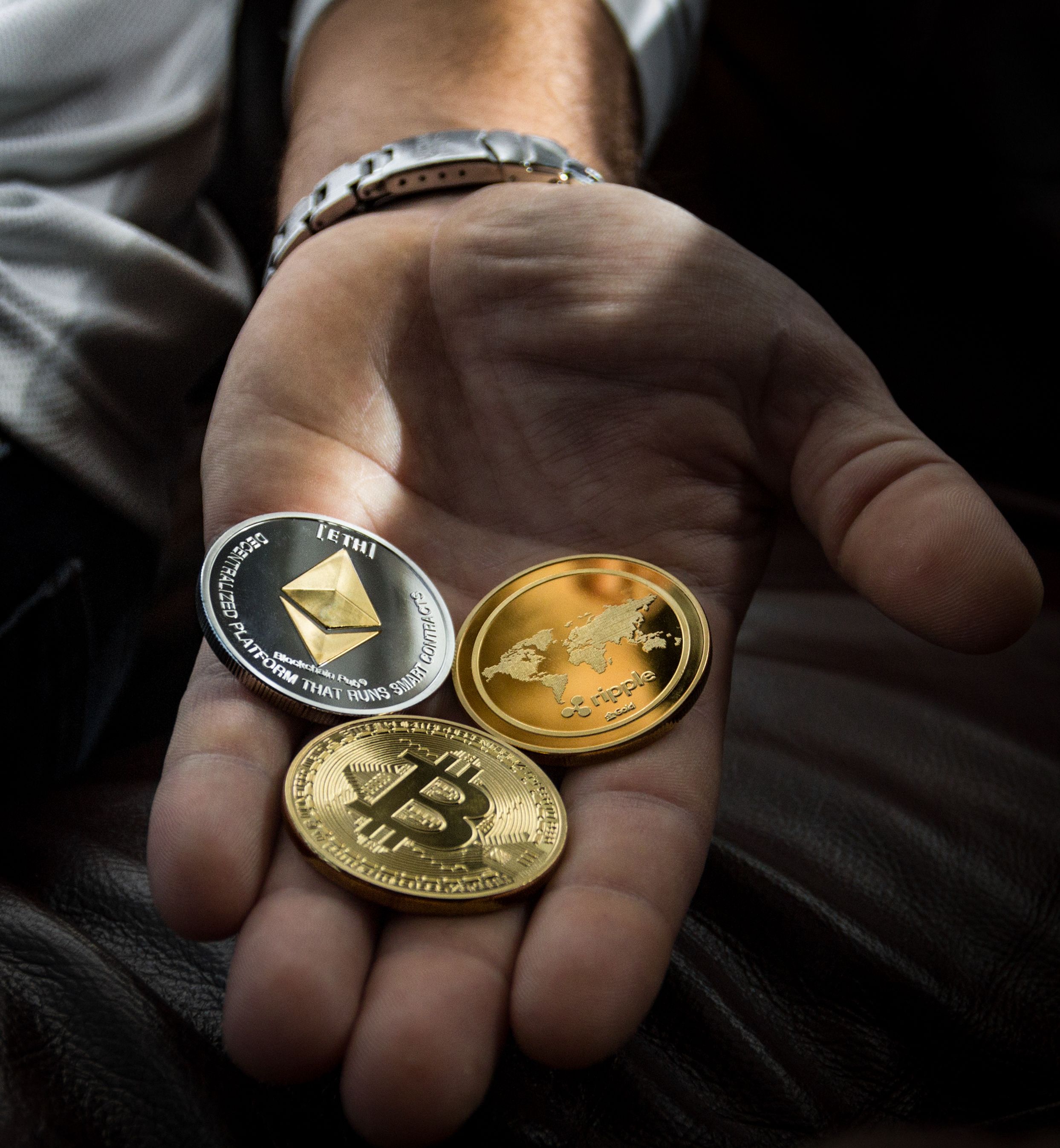
Cryptocurrency is a type of digital or virtual currency that uses cryptography for security. Unlike traditional currencies issued by governments, cryptocurrencies operate on a technology called blockchain. This decentralized ledger allows for secure transactions without the need for intermediaries like banks. Popular cryptocurrencies include Bitcoin, Ethereum, and Litecoin, but thousands of different coins and tokens exist, each with unique features and functionalities.
As cryptocurrencies have gained traction, so has the interest from regulators. This interest arises from the potential for both innovation and risk in the finance world. The rise of cryptocurrencies has sparked discussions about how to create a safe and effective regulatory environment.
The Importance of Regulations
Regulations are essential for maintaining the integrity of the financial system. They help prevent fraud, money laundering, and other illicit activities. In the cryptocurrency realm, regulations also serve to protect consumers by enhancing transparency and security within the industry. Understanding these regulations is crucial for you as an investor or user to safeguard your assets and navigate the complex ecosystem.
Consumer Protection
One of the primary goals of regulations is consumer protection. When you engage in cryptocurrency transactions, you want to ensure that your investments are safe and secure. Regulations help create a framework that holds exchanges and other providers accountable for their practices, allowing you to make informed decisions. They also often mandate clear disclosures about the risks associated with cryptocurrencies, helping you understand what you’re getting into.
Financial Stability
Another critical aspect of regulation is promoting financial stability. Cryptocurrencies can be highly volatile, and without regulatory oversight, the market can experience extreme fluctuations. By enforcing rules, regulators aim to mitigate systemic risks that could affect not only cryptocurrency markets but also traditional financial systems. A stable environment encourages more widespread adoption, which can benefit everyone involved.
Innovation and Growth
While regulations focus on consumer protection and stability, they can also foster innovation. Governments can create environments that encourage growth within the cryptocurrency industry by establishing clear guidelines. When businesses know what is expected of them, they can focus more on creating innovative technologies and solutions without the fear of legal repercussions.

Global Regulatory Landscape
Cryptocurrency regulations vary widely across countries, reflecting different attitudes toward the digital currency sector. While some nations embrace blockchain technology and cryptocurrencies, others impose strict regulations or outright bans. Understanding these differences is essential if you plan on engaging with cryptocurrencies globally.
United States
In the U.S., the regulatory landscape for cryptocurrencies is complex. Multiple agencies have jurisdiction over different aspects of cryptocurrency, including:
| Regulatory Body | Responsibilities |
|---|---|
| SEC (Securities and Exchange Commission) | Regulates securities, including initial coin offerings (ICOs) |
| CFTC (Commodity Futures Trading Commission) | Oversees derivatives markets and treats Bitcoin as a commodity |
| FinCEN (Financial Crimes Enforcement Network) | Enforces anti-money laundering (AML) regulations |
| IRS (Internal Revenue Service) | Governs tax implications of cryptocurrency transactions |
Initially, the SEC focused on protecting investors by examining ICOs and classifying certain cryptocurrencies as securities. This classification demands stricter compliance measures, aimed at protecting you and other investors from potential scams.
European Union
The European Union (EU) has taken a more cohesive approach to cryptocurrency regulation. The European Commission proposed the Markets in Crypto-Assets (MiCA) regulation, aiming to create a comprehensive framework for digital assets across member states. The MiCA framework focuses on:
- Investor protection
- Market integrity
- Financial stability
By establishing uniform regulations for cryptocurrencies, the EU aims to facilitate innovation while safeguarding consumers and fostering trust in the digital economy.
Asia
Asia presents a mixed bag regarding cryptocurrency regulations. Countries like Japan and Singapore have embraced the crypto industry, creating clear frameworks that encourage growth.
| Country | Regulatory Features |
|---|---|
| Japan | Progressive regulations, treating cryptocurrencies as legal tender and requiring exchanges to register with the Financial Services Agency (FSA) |
| Singapore | Friendly regulations that support blockchain innovation, overseen by the Monetary Authority of Singapore (MAS) |
| China | A stricter approach, imposing blanket bans on ICOs and cryptocurrency trading, yet promoting blockchain technology development |
For you, understanding the different regulations in each country can be crucial if you’re considering investing or participating in the crypto space on an international level.
Australia
Australia has established a regulatory framework for cryptocurrency that focuses on compliance with taxation and anti-money laundering laws. The Australian Transaction Reports and Analysis Centre (AUSTRAC) imposes reporting obligations on cryptocurrency exchanges. As a user or investor, it’s important to note that income earned through cryptocurrency is subject to taxation, which adds another layer of responsibility.
Challenges of Regulation
While the need for regulation is clear, several challenges complicate the process. As you navigate the world of cryptocurrencies, understanding these challenges can help you make better decisions.
Evolving Technology
The rapid pace of technological advancements presents a significant challenge for regulators. Regulations that might be relevant today could become outdated as cryptocurrencies and blockchain technology evolve. Regulators need to implement frameworks that can adapt to these changes while still providing a robust level of protection.
Global Coordination
The international nature of cryptocurrencies poses challenges for regulatory oversight. With various regulatory bodies across countries, inconsistency can arise, making it difficult for you to understand the laws governing your activities. Coordinating regulations globally presents an opportunity for countries to collaborate on best practices but also introduces complexities.
Fraud and Scams
The decentralized and often anonymous nature of cryptocurrencies can attract fraudulent activities. Scams are prevalent, and without effective regulatory measures, you could be more susceptible to losses. Regulations must address these concerns without stifling innovation or creating overly burdensome compliance requirements for legitimate businesses.

Future of Cryptocurrency Regulations
As you look toward the future, it’s essential to consider how cryptocurrency regulations might evolve. Emerging trends indicate a more cohesive approach to regulation, focused on balancing innovation with consumer protection.
Enhanced Transparency
Increased transparency is likely to become a hallmark of future regulations. This transparency fosters trust among users, allowing you to have more confidence in the platforms you use. Regulators are expected to require better disclosures from cryptocurrency projects, enhancing your ability to make informed decisions.
Central Bank Digital Currencies (CBDCs)
Several countries are exploring Central Bank Digital Currencies (CBDCs) as a response to cryptocurrencies. CBDCs may provide a state-backed digital currency that combines the benefits of cryptocurrencies with the stability of traditional fiat money. The introduction of CBDCs could redefine the regulatory landscape and change how you interact with digital currencies.
International Collaboration
As cryptocurrency markets continue to expand globally, international coordination among regulatory bodies will be increasingly important. Forums for cooperation and information sharing can lead to more comprehensive and uniform regulations. Such collaboration may help create a safer environment for you as an investor while also fostering innovation within the crypto space.
Navigating Regulations As An Investor
Understanding the regulatory environment is vital for you as an investor. Here are some tips to navigate cryptocurrency regulations effectively:
Stay Informed
One of the best ways to ensure compliance is to stay informed about the latest regulatory changes. Subscribing to updates from official regulatory bodies and trusted news sources can help you remain aware of the evolving landscape.
Choose Regulated Exchanges
When selecting a cryptocurrency exchange, consider choosing platforms that are regulated and comply with local laws. These exchanges typically have robust security measures in place to protect your funds and personal information.
Keep Track of Tax Implications
As you engage in cryptocurrency transactions, you must remain aware of the tax implications in your jurisdiction. Keeping detailed records of your transactions and profits will help ensure compliance with tax regulations and avoid potential penalties.
Exercise Caution
In a rapidly changing environment, exercising caution is always wise. Be skeptical of projects that seem too good to be true, and take the time to research before making any investments.

Conclusion
Cryptocurrency regulations are a crucial aspect of engaging in the digital asset space. Understanding the importance, challenges, and future of regulation can empower you to navigate the realm of cryptocurrency safely and effectively. By staying informed and exercising caution, you can take advantage of the opportunities within the cryptocurrency market while protecting yourself from potential pitfalls.
As the landscape continues to evolve, you are in a position to adapt and thrive, making informed decisions that align with your financial goals. The journey may seem daunting, but with the right knowledge and preparedness, you can successfully participate in the exciting world of cryptocurrencies.