Have you ever thought about how cryptocurrency might change the way we think about money and the economy as a whole? In the past decade, the rise of digital currencies has sparked conversations not only about technology but also about finance, commerce, and the global economy. Let’s break down the impact of cryptocurrency on the global landscape and how it affects you.

Understanding Cryptocurrency
Before we dive into its implications, it’s essential to get a solid grasp of what cryptocurrency is. In simple terms, cryptocurrency is a type of digital or virtual currency that uses cryptography for security and operates on a technology called blockchain. This decentralized network means no single entity has control over it, and transactions can be made directly between users.
The Basics of Blockchain Technology
To appreciate cryptocurrency, one must understand blockchain. Think of it as a digital ledger where transactions are recorded in blocks, linked together chronologically. Once a block is filled with transactions, it is added to the chain, making it nearly impossible to alter past records without altering all subsequent blocks. This feature ensures security and builds trust among users.
Types of Cryptocurrencies
Cryptocurrencies come in various forms, each with its unique features and underlying technologies. Here are some of the most prominent types:
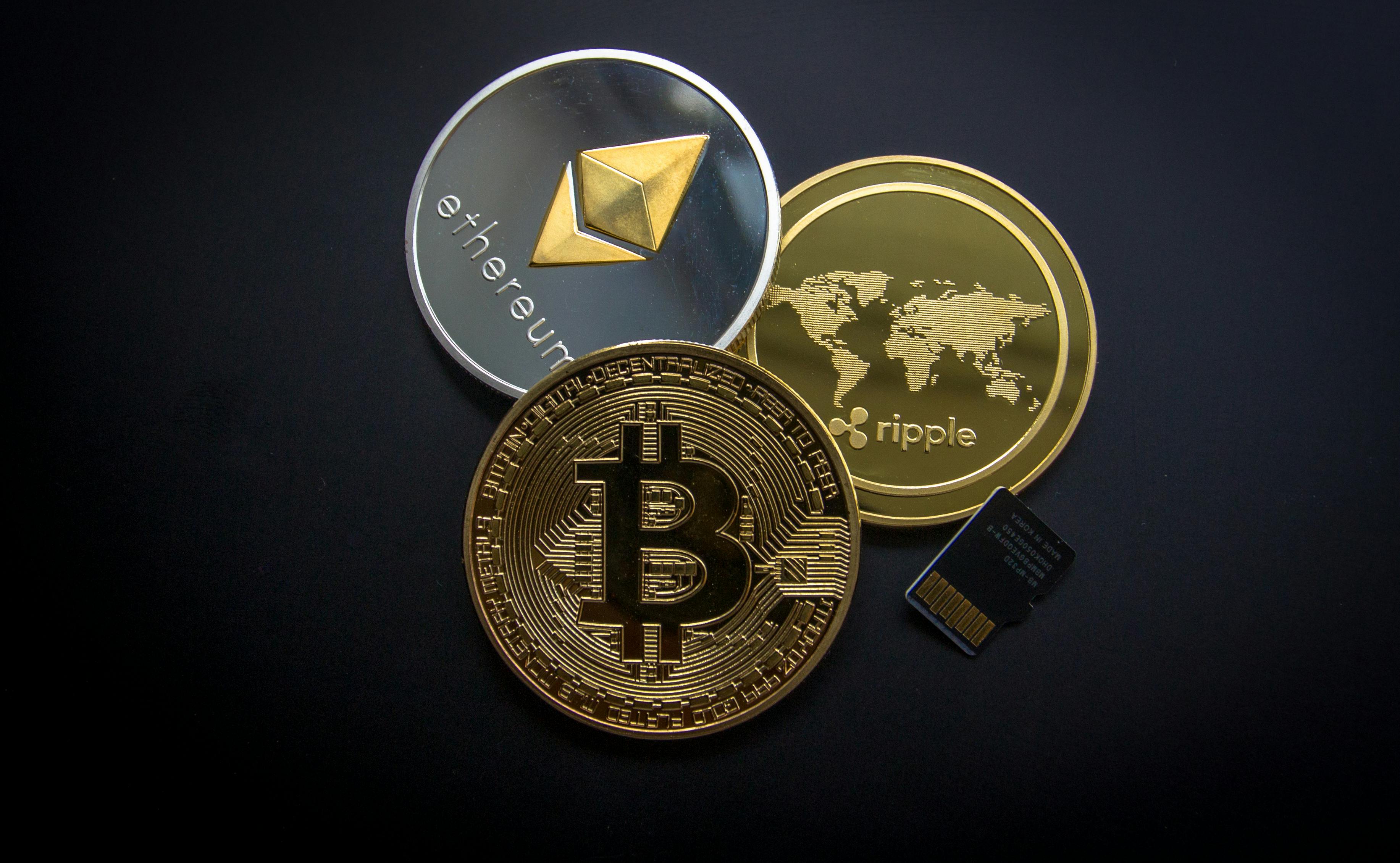
- Bitcoin (BTC): The first and most well-known cryptocurrency, designed as a digital alternative to traditional currencies.
- Ethereum (ETH): Not just a currency, Ethereum enables smart contracts and decentralized applications, opening the door for various use cases beyond simple transactions.
- Ripple (XRP): Aimed at facilitating international money transfers, Ripple focuses on enabling banks and payment providers to make instant and secure payments globally.
- Litecoin (LTC): Often referred to as the silver to Bitcoin’s gold, Litecoin offers faster transaction times and lower fees.
- Stablecoins: These are cryptocurrencies designed to minimize price volatility by pegging their value to a stable asset, making them more reliable for transactions.
The Role of Cryptocurrency in the Global Economy
As cryptocurrency continues to gain traction, its impact on the global economy becomes increasingly pronounced. It’s important to examine how these digital currencies influence various economic sectors.
Financial Inclusion
One of the most significant impacts of cryptocurrency is its potential to promote financial inclusion. In many parts of the world, particularly in developing nations, traditional banking services are limited or entirely unavailable. Cryptocurrencies allow individuals to participate in the financial system without needing a bank account. This accessibility can empower people to save, invest, and conduct transactions safely and securely.
Currency Exchange and Remittances
Cryptocurrency can transform how people send money across borders. Traditional remittance services often charge high fees and take several days to process transactions. In contrast, using cryptocurrency can reduce costs and speed up the process dramatically. This is particularly important for migrant workers who regularly send money back home to support their families.
| Traditional Remittance Services | Cryptocurrency Remittances |
|---|---|
| High fees (up to 10% or more) | Minimal fees (often under 3%) |
| Takes days to process | Instant or same-day transactions |
| Restricted to certain countries | Global reach without borders |
Speculation and Investment
The advent of cryptocurrency has opened up new avenues for investment. You may have heard of people becoming millionaires through cryptocurrency investments, but it’s crucial to note that this market comes with its volatility and risks. While the potential for high returns exists, so does the possibility of significant losses.
Understanding and researching the market is essential for anyone considering investing in cryptocurrencies. Be cautious, do your homework, and only invest what you can afford to lose.


Economic Disruption
Cryptocurrency has the potential to disrupt traditional financial systems significantly. With decentralized finance (DeFi) platforms emerging, you can now lend, borrow, or invest without needing a bank. These DeFi applications provide more transparency and accessibility than traditional banks, which can change the dynamics of financial institutions.
The Rise of Decentralized Finance (DeFi)
DeFi allows individuals to manage their finances directly, cutting out intermediaries. This shift can lead to reduced transaction costs and enhanced financial services. DeFi projects create smart contracts that automatically execute transactions when certain conditions are met, simplifying processes like lending and trading.
| DeFi vs. Traditional Finance | |
|---|---|
| Decentralized, no single authority | Centralized, controlled by banks |
| Open to anyone with an internet connection | Requires a bank account to access |
| Lower fees and faster transactions | Often higher fees and slower processes |
As DeFi continues to grow, its influence on the overall economy will also expand, challenging the status quo of traditional financial systems.
Regulatory Challenges
With the rapid rise of cryptocurrencies, regulatory bodies around the world are scrambling to catch up. The lack of regulation has both pros and cons. While it encourages innovation and competition, it also raises concerns about consumer protection, fraud, and the potential for money laundering.
The Global Regulatory Landscape
Different countries have taken various approaches to regulate cryptocurrencies. Some nations, like El Salvador, have recognized Bitcoin as legal tender, while others have outright banned cryptocurrencies. Others are implementing frameworks that strike a balance between fostering innovation and ensuring consumer safety.
| Country | Regulatory Approach |
|---|---|
| United States | Developing regulations, focusing on taxation and consumer protection. |
| European Union | Establishing a comprehensive regulatory framework to enhance consumer safety. |
| China | Banned crypto transactions and initial coin offerings (ICOs). |
| El Salvador | Adopted Bitcoin as legal tender. |
For you as an investor or user, keeping an eye on regulatory changes in your jurisdiction is crucial, as these regulations will shape the future of cryptocurrency.
The Environmental Impact of Cryptocurrency
Cryptocurrencies, particularly Bitcoin, have faced criticism for their environmental impact due to the energy-intensive process required for mining. Mining requires significant computational power, which translates to high electricity consumption. This concern has sparked debates about the sustainability of cryptocurrencies.
Transition to Sustainable Practices
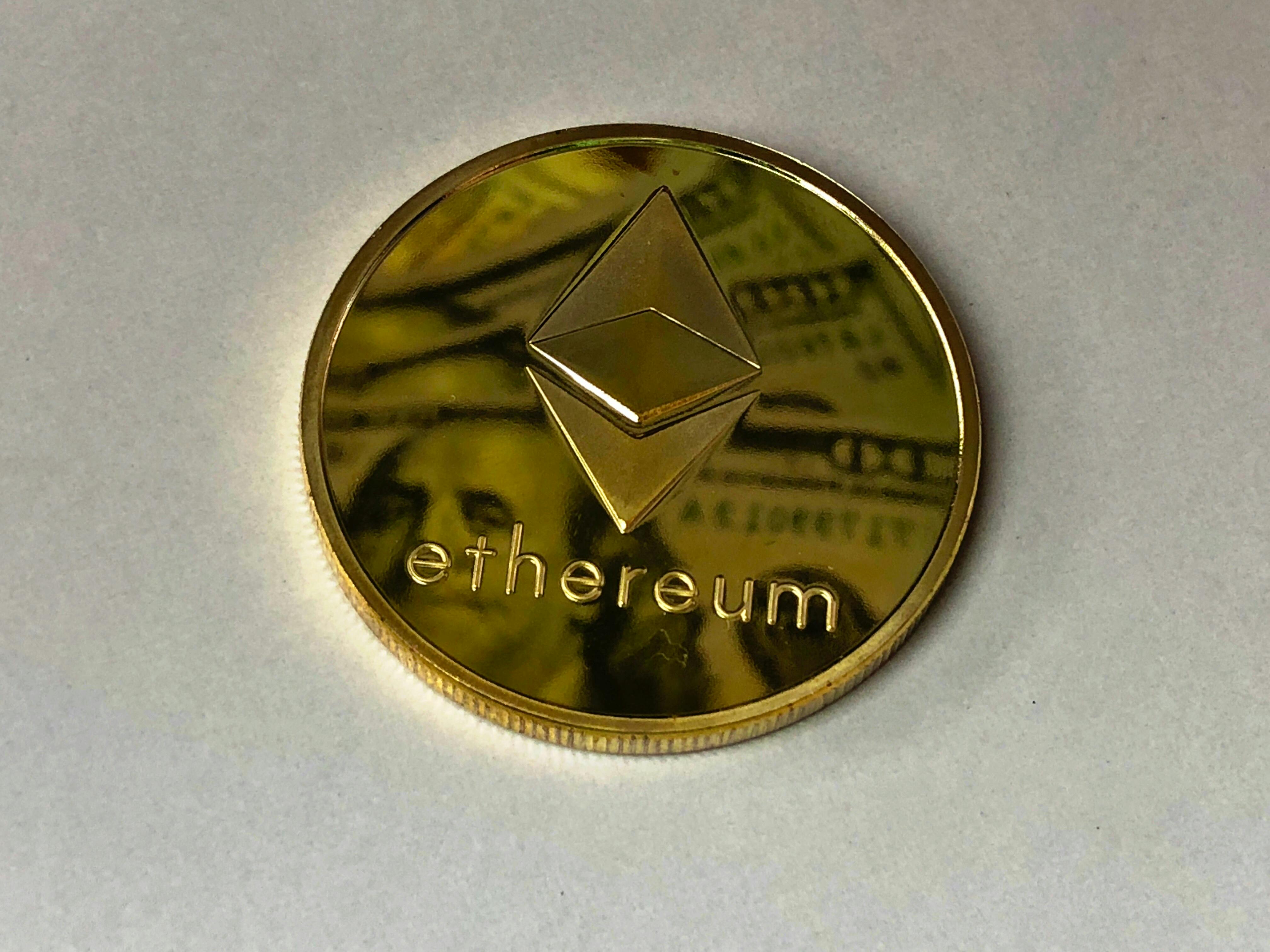
In response to environmental challenges, several cryptocurrencies and platforms are exploring more sustainable practices. For instance, Ethereum is working on transitioning from a proof-of-work (PoW) to a proof-of-stake (PoS) model, which significantly reduces energy consumption.
| Mining Method | Energy Consumption |
|---|---|
| Proof of Work (PoW) | High energy consumption, reliant on mining rigs |
| Proof of Stake (PoS) | Low energy consumption, validates transactions based on ownership of the currency |
As you contemplate your involvement in cryptocurrency, consider the environmental impact and whether the currency aligns with your values.
The Future of Cryptocurrency
As cryptocurrency continues to evolve, what does the future hold? It’s essential to stay informed about technological advancements and market trends to navigate this dynamic landscape effectively.
Innovations on the Horizon
New technologies and innovations are continuously shaping the future of cryptocurrency. These could include advancements in scalability, privacy solutions, and integration with traditional financial systems. For example, layer 2 solutions like the Lightning Network aim to enhance Bitcoin’s transaction speed and lower costs, making it more practical for daily use.
The Role of Central Bank Digital Currencies (CBDCs)
Governments and central banks are exploring centralized digital currencies, known as CBDCs. These aim to combine the advantages of cryptocurrencies with the stability of government-backed currencies. While CBDCs could enhance the efficiency of the financial system, they also raise questions about privacy and government control over personal finances.
Conclusion
As you navigate the world of cryptocurrency, understanding its impact on the global economy is vital. From promoting financial inclusion to disrupting traditional financial systems, cryptocurrencies are reshaping how we think about money and transactions. Keep yourself informed about regulatory changes, environmental considerations, and technological advancements to make informed decisions in this ever-evolving landscape.
Ultimately, whether you’re an investor, a casual user, or someone merely curious about the subject, your approach should be grounded in critical thinking and awareness of the broader economic impacts. Engaging with cryptocurrency can be exciting, but a thoughtful consideration of its implications will serve you well in the future.