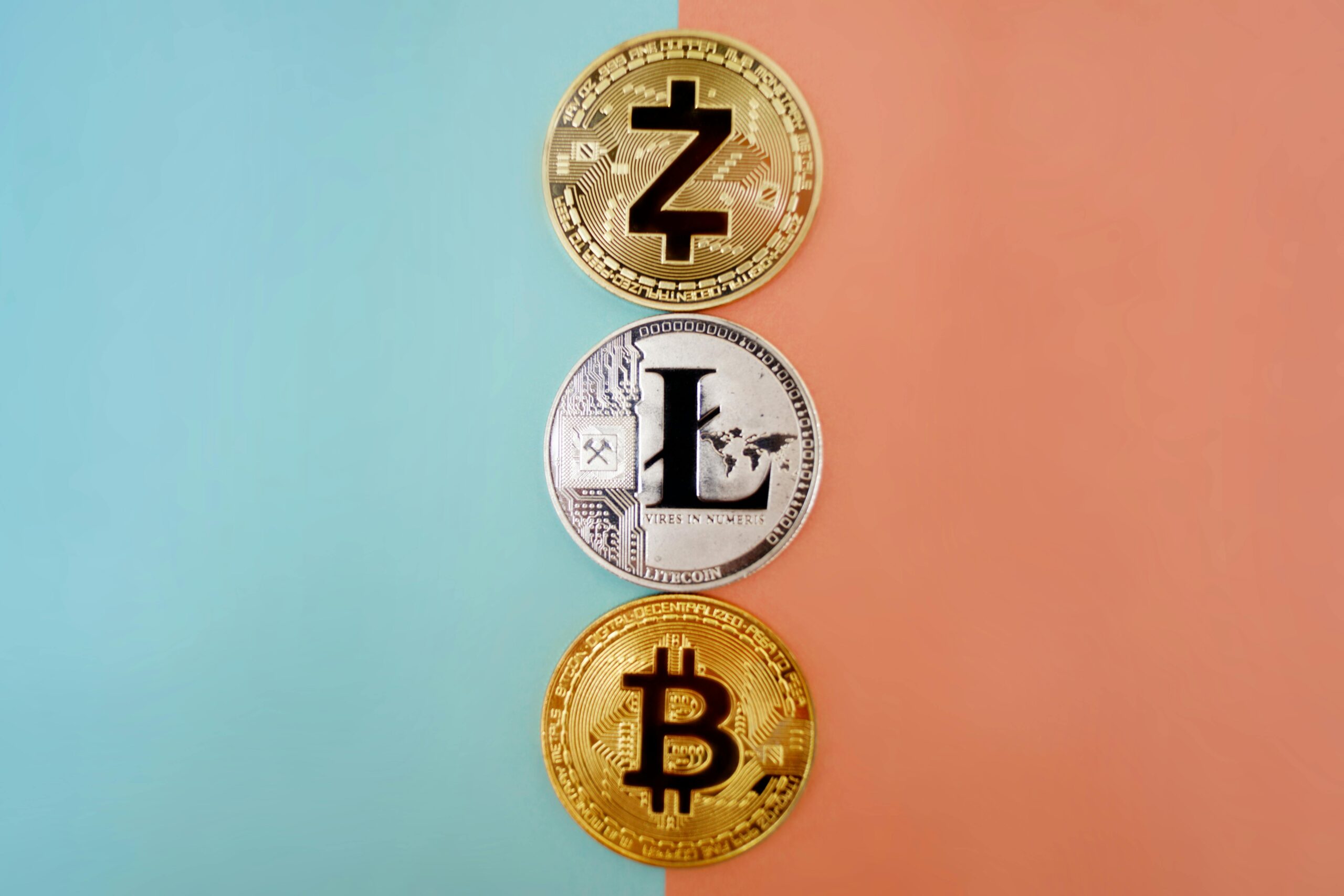
What if you could take control of your money and make transactions without relying on traditional banks? Bitcoin, created in 2009, is revolutionizing the way people think about money and financial freedom. If you’re new to this digital currency, you might feel overwhelmed, but don’t worry! This guide is here to help you understand Bitcoin and how it works.

What is Bitcoin?
Bitcoin is a type of cryptocurrency, which means it’s a digital or virtual currency that uses cryptography for security. Unlike traditional currencies issued by governments (like dollars or euros), Bitcoin operates on a decentralized network using blockchain technology. This unique setup means transactions can be made directly between users without needing an intermediary, such as a bank.
Understanding Blockchain Technology
At the heart of Bitcoin lies blockchain technology. A blockchain is a public ledger that records all Bitcoin transactions. Each “block” contains a list of transactions, and once it’s filled, it’s added to the chain in a linear, chronological order. This structure is decentralized and distributed across the network, making it nearly impossible to alter or hack.
| Feature | Traditional Banking | Bitcoin |
|---|---|---|
| Central Authority | Yes | No |
| Transaction Speed | Days (in some cases) | Minutes to hours |
| Accessibility | Limited to banks | Internet connection required |
| Fees | Varies | Lower than traditional banks |
How Does Bitcoin Work?
When you send or receive Bitcoin, you’re essentially transferring ownership of a digital coin. To do this, you need a Bitcoin wallet, which stores your private keys (essentially your password) and public keys (your Bitcoin address).
Bitcoin Wallets Explained
There are several types of Bitcoin wallets available:
-
Software Wallets: These are applications you can download on your computer or smartphone. They’re user-friendly but can be susceptible to malware or hacking.
-
Hardware Wallets: Considered more secure, these are physical devices that store your Bitcoin offline. While they’re more complex to use, they add an extra layer of protection.
-
Paper Wallets: These are simply printouts or physical copies of your Bitcoin address and private key. They are the most secure against online threats but can be lost or damaged easily.
Making Transactions: How It Works
- Get a Wallet: First, you need to choose a wallet type that suits your needs.
- Buy Bitcoin: You can purchase Bitcoin from exchanges or peer-to-peer platforms.
- Send/Receive Bitcoin: Once you have Bitcoin in your wallet, you can easily send it to others by inputting their Bitcoin address.

Benefits of Using Bitcoin
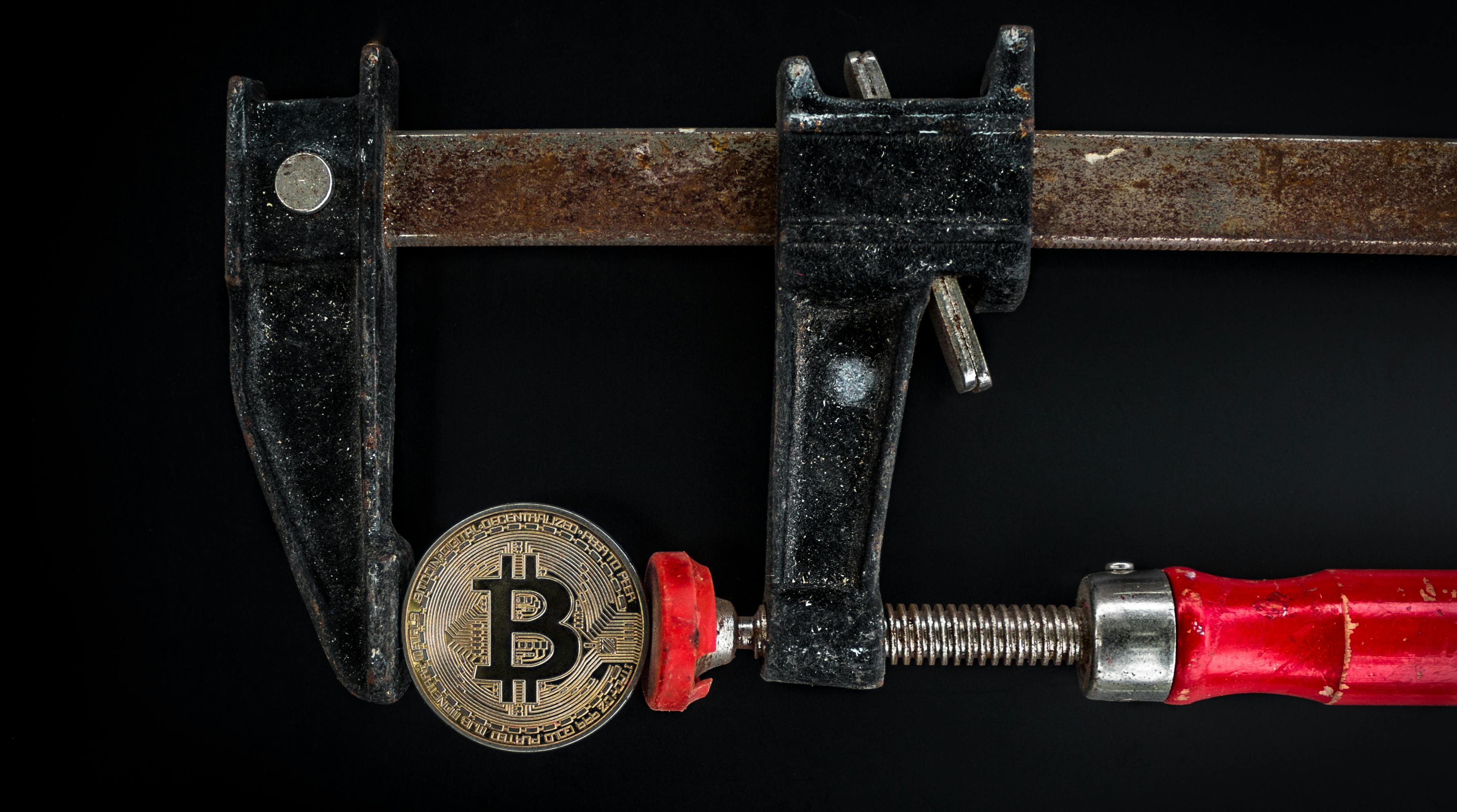
Bitcoin has numerous advantages that can make it appealing to you, especially in a world where traditional banking systems sometimes falter.
Decentralization
Without a central authority controlling Bitcoin, you have greater control over your funds. This means you don’t have to worry about government intervention or restrictions, giving you financial autonomy.
Lower Transaction Fees
Bitcoin transactions typically come with lower fees than traditional banking services or credit card transactions, particularly for international transfers. This can save you a significant amount of money.
Potential for Appreciation
Bitcoin has shown considerable value appreciation since its inception. Investing in Bitcoin can be seen as a way to diversify your assets and potentially increase your wealth over time.
Transparency
All Bitcoin transactions are recorded on the blockchain, allowing anyone to view the transaction history. This level of transparency encourages honest transactions and discourages fraud.
Risks and Challenges
While Bitcoin has many benefits, it’s also essential to be aware of the risks involved.
Price Volatility
The value of Bitcoin can fluctuate wildly. In a single day, its price could go up or down significantly. If you’re considering investing in Bitcoin, be prepared for this volatility.
Security Concerns
While Bitcoin transactions are secure, digital wallets can be vulnerable to hacking. It’s crucial to use reputable wallets and practice good security measures like two-factor authentication.
Regulatory Issues
As Bitcoin continues to grow in popularity, governments around the world are grappling with how to regulate it. Changes in laws and regulations could affect its use and value.
How to Buy Bitcoin
Purchasing Bitcoin is relatively straightforward, though it’s important to approach the process with caution.
Choose an Exchange
You need to select a reliable cryptocurrency exchange to buy Bitcoin. Some popular options include:
- Coinbase: Known for its user-friendly interface and educational resources, making it suitable for beginners.
- Binance: Offers a broader range of cryptocurrencies and could be beneficial if you’re interested in diversifying.
- Kraken: Well-regarded for security and a wide variety of features.
Create an Account
Once you’ve chosen an exchange, you’ll need to set up an account. This usually involves providing personal information and verifying your identity.
Fund Your Account
You can fund your account through bank transfers, credit cards, or debit cards, depending on the exchange. Each method has its own processing times and fees.
Purchase Bitcoin
After funding your account, you can place an order for Bitcoin. Most exchanges allow you to buy fractions of a Bitcoin, making it more accessible regardless of the current price.
Storing Your Bitcoin Safely
Now that you own Bitcoin, the next step is to store it securely.
Use a Secure Wallet
Choose the type of wallet that best suits you. Hardware wallets are generally the safest option as they keep your private keys offline. Make sure to keep your seed phrase safe, as it’s crucial for recovering access to your wallet.
Be Aware of Scams
Unfortunately, the world of cryptocurrency isn’t immune to scams. Always double-check links, avoid sharing your private key, and be cautious of unsolicited offers or advice.

Understanding Bitcoin Mining
One of the fascinating aspects of Bitcoin is the process known as mining, which is essential to maintaining the network.
What is Mining?
Mining involves validating transactions and adding them to the blockchain. Miners use powerful computer hardware to solve complex mathematical problems. When they successfully complete a block, they’re rewarded with newly created Bitcoin and transaction fees.
The Role of Miners
Miners play a crucial role in the Bitcoin ecosystem. They ensure the integrity and security of the network by verifying transactions. The competition among miners also helps maintain the network’s decentralized nature.
Is Mining for You?
While mining can be profitable, it requires significant investment in hardware and electricity. It’s not always the best option for beginners, so you might consider buying Bitcoin directly instead.
The Future of Bitcoin
With so much hype surrounding Bitcoin, you might wonder what the future holds for this digital currency.
Growing Acceptance
More businesses and institutions are starting to accept Bitcoin as a form of payment. Major companies, like Tesla and Microsoft, have begun to recognize its potential, and this trend may continue to grow.
Potential Regulations
As Bitcoin becomes more mainstream, governments may implement regulations that could impact its use. While this could pose challenges, it may also create a safer environment for users.
Innovations in Blockchain
The underlying technology of Bitcoin, blockchain, is continuously evolving. Innovations such as smart contracts and new consensus algorithms may change how Bitcoin and other cryptocurrencies function.
Conclusion
You’ve now journeyed through the essentials of Bitcoin, understanding its workings, benefits, risks, and future potential. While the world of cryptocurrency is fast-paced and ever-changing, keeping yourself informed will empower you to make sound decisions. Whether you’re looking to invest, transact, or simply learn more, Bitcoin offers a unique opportunity to redefine your relationship with money. Remember, always approach with caution, do your own research, and enjoy the ride as you navigate this exciting digital landscape!